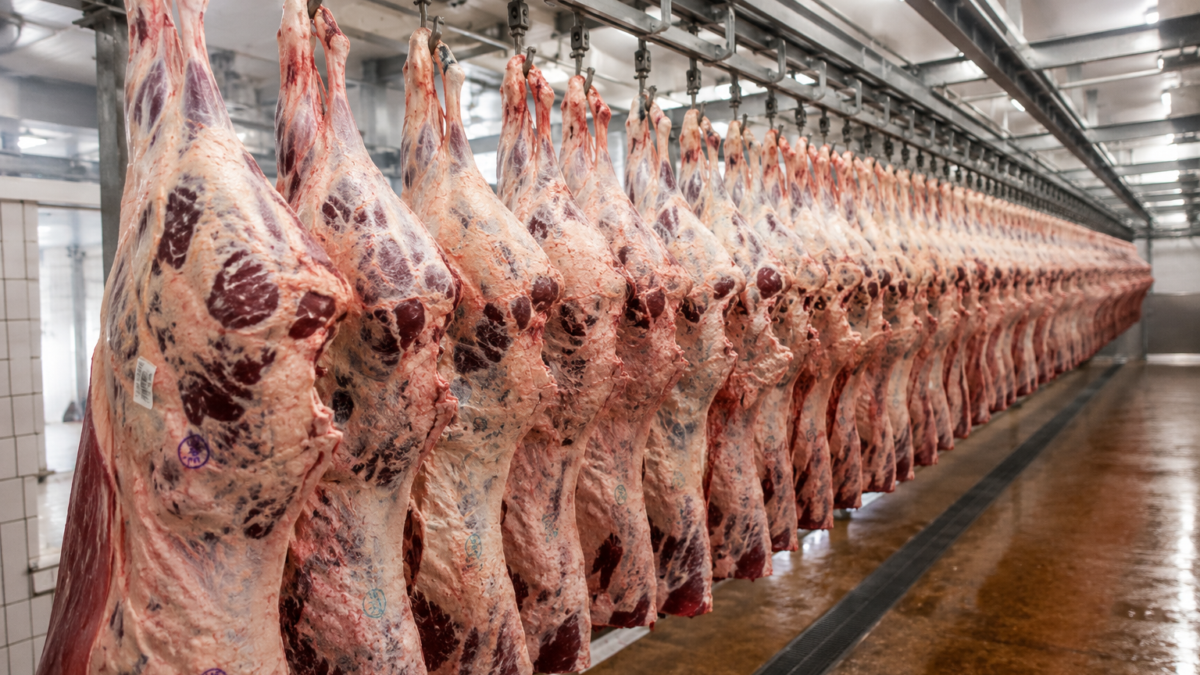
In food processing and meat production facilities, not every product that enters the operation is suitable for sale or consumption. Products may be condemned, rejected, or designated for disposal for a variety of reasons, making proper identification an important part of maintaining control over the production environment.
Clear visual identification helps employees distinguish condemned products from approved inventory and reduces the possibility of products being accidentally mixed, processed, packaged, or shipped. In a busy facility, an effective marking system can provide an immediate visual signal that a product requires special handling.
What Does It Mean When a Food Product Is Condemned?
A condemned food product is one that has been determined to be unsuitable for its intended use or distribution. Depending on the facility and circumstances, products may be identified for condemnation because of contamination, damage, quality concerns, processing issues, or other reasons.
Once a product has been designated for condemnation, it needs to remain clearly separated from products that are approved for further processing or distribution. Proper identification is therefore an important part of maintaining control throughout the facility.
Why Visual Identification Matters
Food processing facilities can handle large volumes of products every day. Employees may work across receiving, production, inspection, storage, packaging, and shipping areas, making clear identification especially important.
A visible mark can communicate information quickly without requiring an employee to inspect an entire package or rely on verbal instructions. This can help employees recognize products that require special handling and maintain separation between condemned and acceptable products.
Clear identification can also support internal procedures by making the status of a product immediately visible to employees working in different areas of the operation.
Preventing Mix-Ups in Busy Processing Environments
Large processing facilities often have products moving through multiple stages. When products are being transferred between work areas, stored temporarily, or prepared for disposal, unclear identification can create opportunities for mistakes.
A consistent marking system helps establish a visual distinction between products with different statuses. When employees are trained to recognize specific markings and follow established procedures, identification becomes another layer of operational control.
This is particularly useful when products are handled by multiple employees or move between different departments.
The Importance of Consistent Marking Procedures
A marking system is most useful when it is consistent.
Employees should understand what different markings mean, where they should be applied, and what procedures must be followed after a product has been identified. Consistency reduces uncertainty and helps employees respond appropriately when they encounter a marked product.
Facilities should also make sure that marking practices are incorporated into their existing quality and handling procedures rather than treating product identification as an isolated task.
The Role of Denaturants in Meat Processing
Denaturants provide a practical way to clearly identify spoiled or condemned meat in federally inspected meat and poultry plants. By applying a highly visible color to products designated for disposal, denaturants help distinguish them from meat approved for further processing or distribution.
For processing facilities, clear visual identification is especially important in busy environments where large volumes of products are handled. A consistent denaturing process can help employees immediately recognize products that have been designated for disposal and support established handling procedures.
Lenco Spoiled Rotten Denaturant 51H – Green
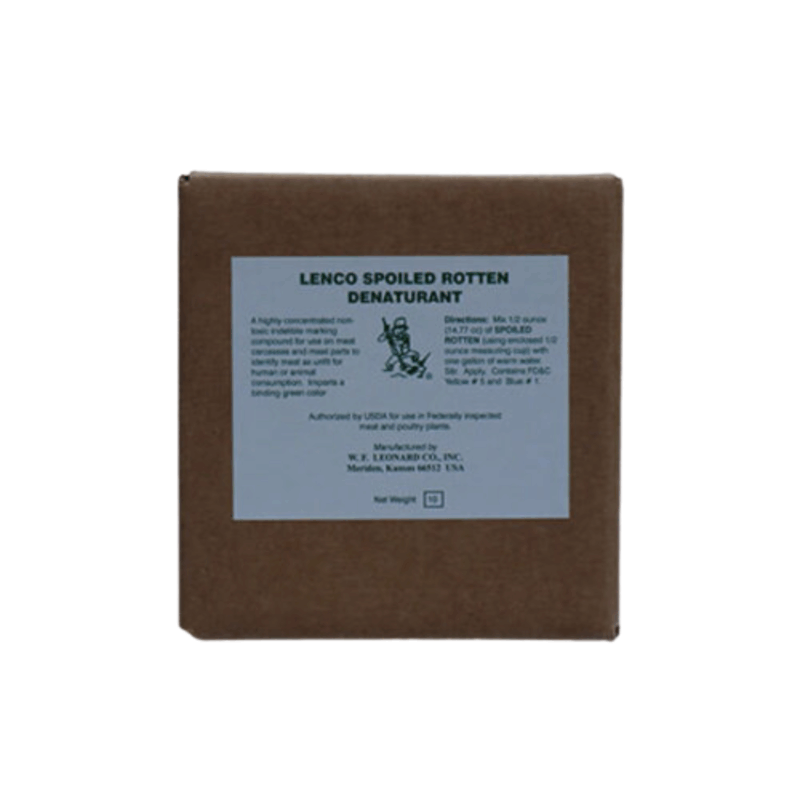
Lenco GREEN Spoiled Rotten Denaturant – 10lb
Lenco Spoiled Rotten Denaturant 51H – Green (10 lb) is a USDA-authorized powder used to denature spoiled or condemned meat in federally inspected meat and poultry plants. Easy to mix and apply, this high-visibility green solution ensures regulatory compliance and safe disposal. Includes a measuring cup for accurate dosing. Direct shipment from the supplier. Approximately…
Lenco Spoiled Rotten Denaturant 51H – Green (10 lb) is a USDA-authorized powder used to denature spoiled or condemned meat in federally inspected meat and poultry plants. The powder is easy to mix and apply, producing a high-visibility green solution for clear product identification.
Each 10 lb container includes a measuring cup to help with accurate dosing and consistent application.
Lenco Red Alert Denaturant 50H – Red
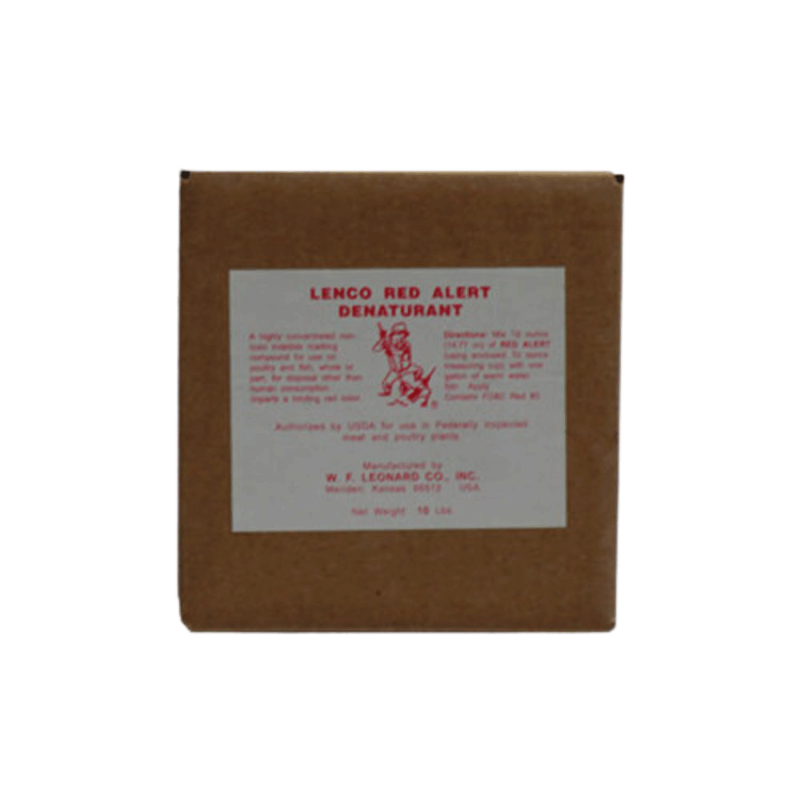
Lenco RED ALERT Denaturant – 10lb
Lenco Red Alert Denaturant 50H – Red (10 lb) is a USDA-authorized powder designed to denature spoiled or condemned meat in federally inspected meat and poultry plants. Easy to mix at ½ ounce per gallon of warm water, it provides a high-visibility red marking for clear identification. Includes a measuring cup for accurate application. Direct…
Lenco Red Alert Denaturant 50H – Red (10 lb) is a USDA-authorized powder designed for denaturing spoiled or condemned meat in federally inspected meat and poultry plants. It is mixed at ½ ounce per gallon of warm water and produces a highly visible red marking that makes designated products easier to identify.
The product also includes a measuring cup for accurate application, helping facilities maintain a consistent denaturing process.
Choosing a Denaturant for Your Facility
Both green and red denaturants provide high-visibility identification for meat designated for condemnation. The appropriate product should be selected according to the facility’s procedures, application requirements, and applicable regulatory requirements.
Using a consistent, clearly visible marking system can help employees quickly distinguish condemned products and maintain better control throughout the handling and disposal process.