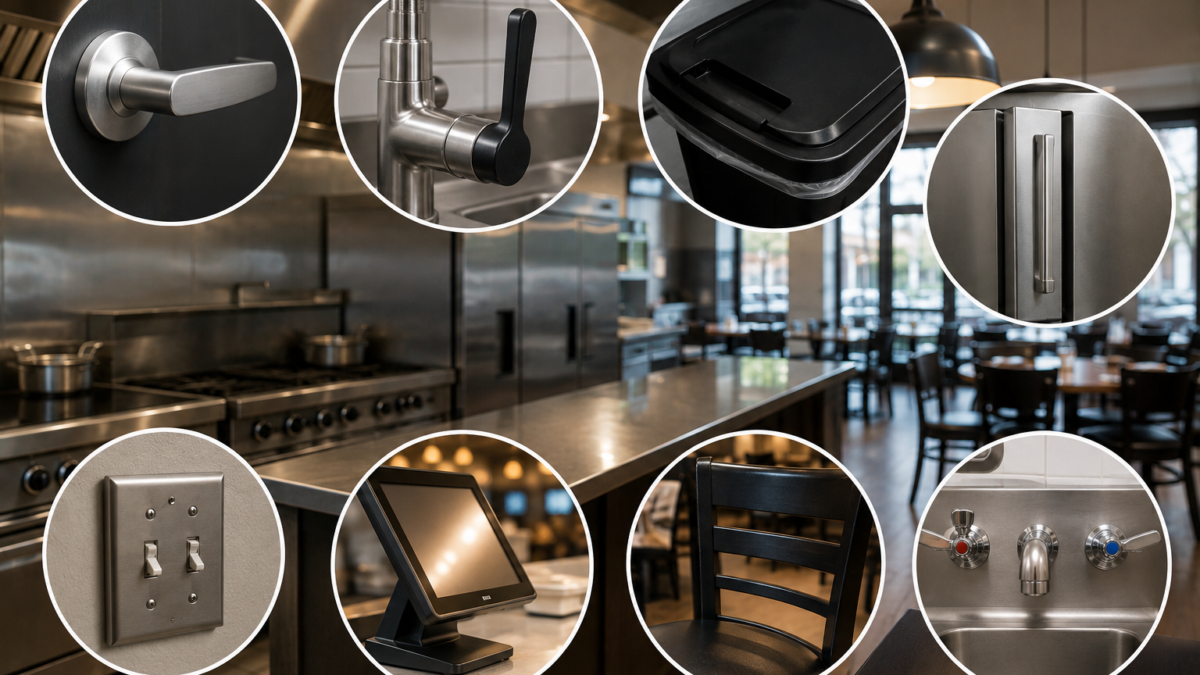
A restaurant may look spotless at the end of a shift, but appearances don’t always tell the whole story. While countertops, floors, and cooking equipment often receive regular attention, many high-touch and hard-to-reach surfaces are easily overlooked during routine cleaning.
These forgotten areas can accumulate food residue, grease, moisture, and bacteria over time, increasing the risk of cross-contamination and making it harder to maintain a safe food preparation environment.
Identifying these commonly missed surfaces can help restaurants strengthen their cleaning procedures and improve overall food safety.
Door Handles and Push Plates
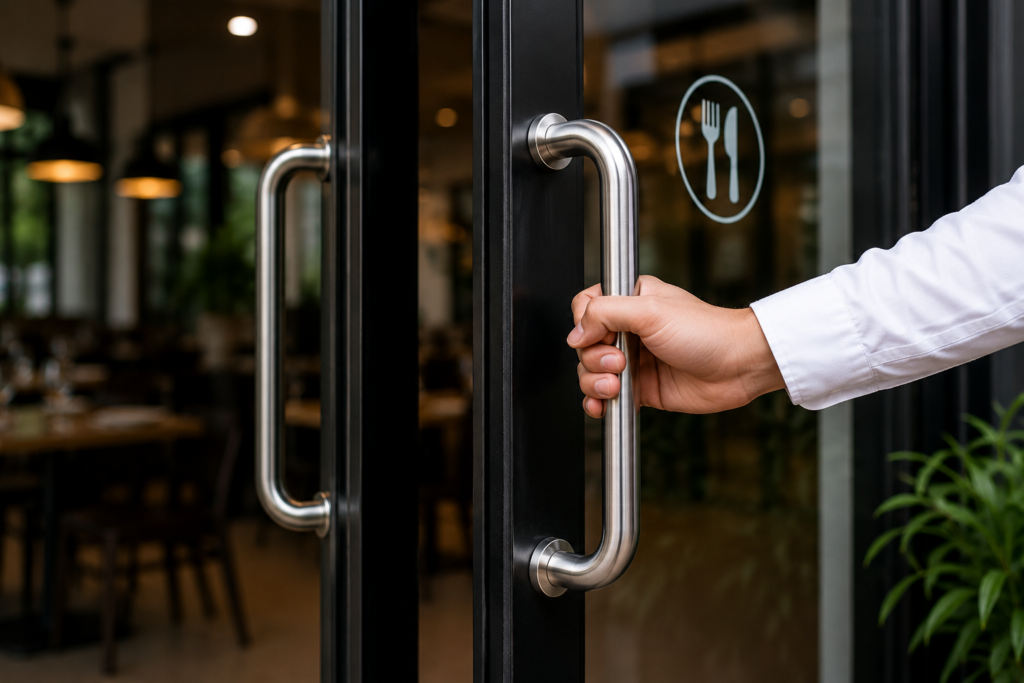
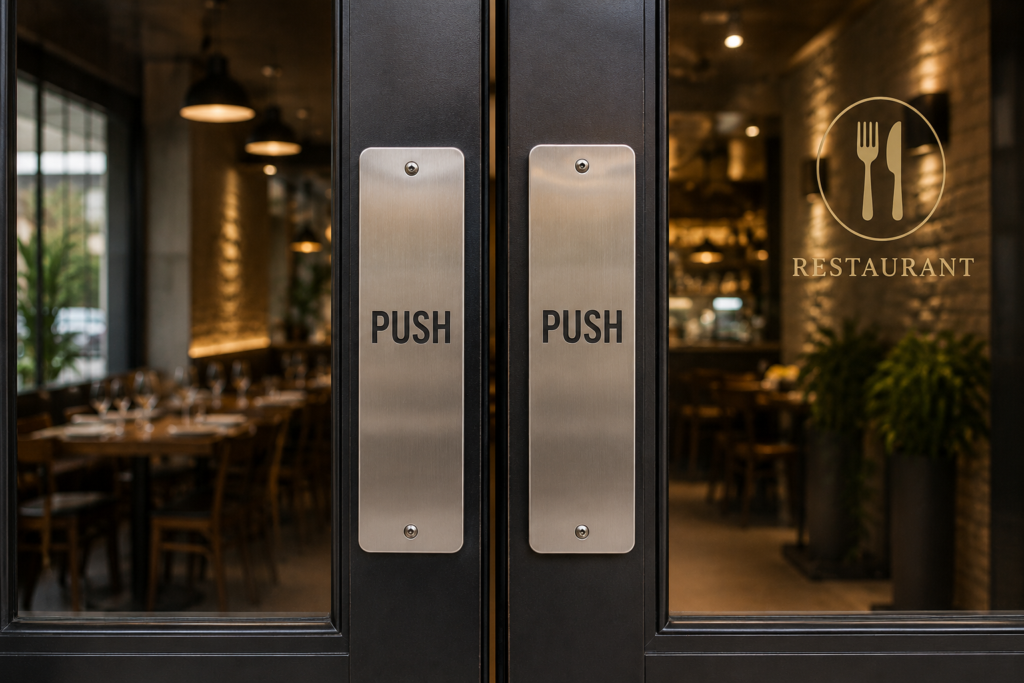
Door handles are touched hundreds of times each day by kitchen staff, servers, delivery personnel, and managers. Employees often touch these surfaces immediately after handling raw ingredients or before washing their hands.
Walk-in coolers, freezer doors, restroom doors, and kitchen entrances are some of the busiest contact points in any restaurant.
Because they are constantly used, door handles should be cleaned and sanitized frequently throughout the day rather than only during closing.
Refrigerator and Freezer Handles
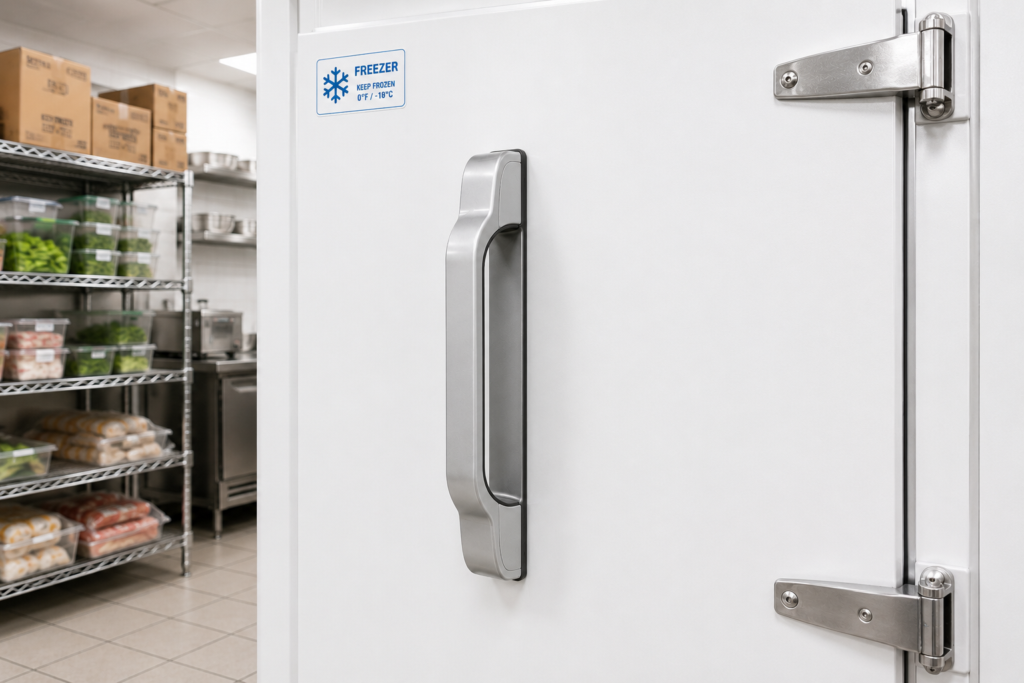
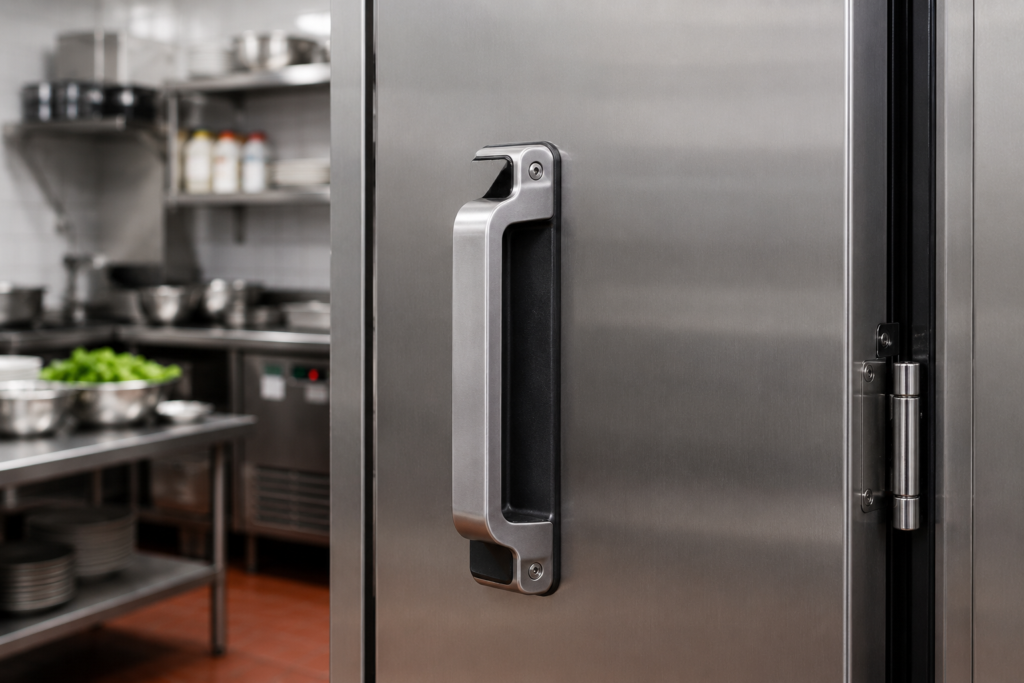
While the interiors of refrigerators are cleaned regularly, the handles themselves are often forgotten.
Since employees reach for them while preparing food, they can quickly become contaminated with grease, moisture, or food residue. Including handles in daily sanitizing routines helps reduce the spread of contaminants between workstations.
Prep Table Edges and Undersides
Food preparation surfaces usually receive careful attention, but the edges and undersides of prep tables are easy to overlook.
Crumbs, grease, and splashes can accumulate underneath work surfaces, especially where equipment is stored or employees frequently lean against the tables. Cleaning these hidden areas helps prevent buildup that can attract pests and create sanitation issues.
Faucet Handles and Sink Controls
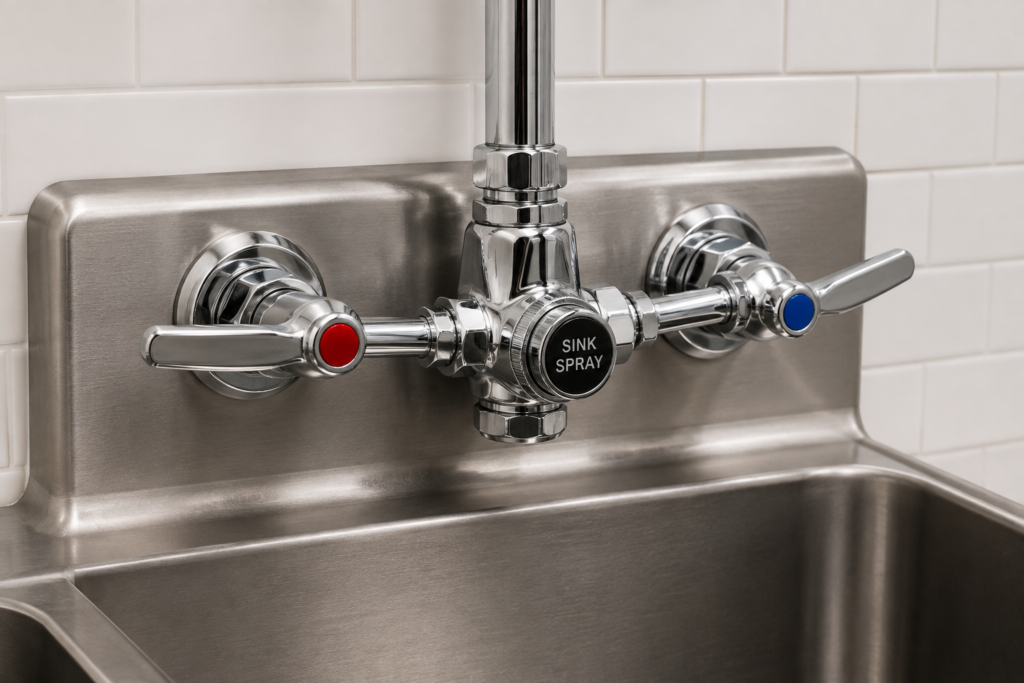
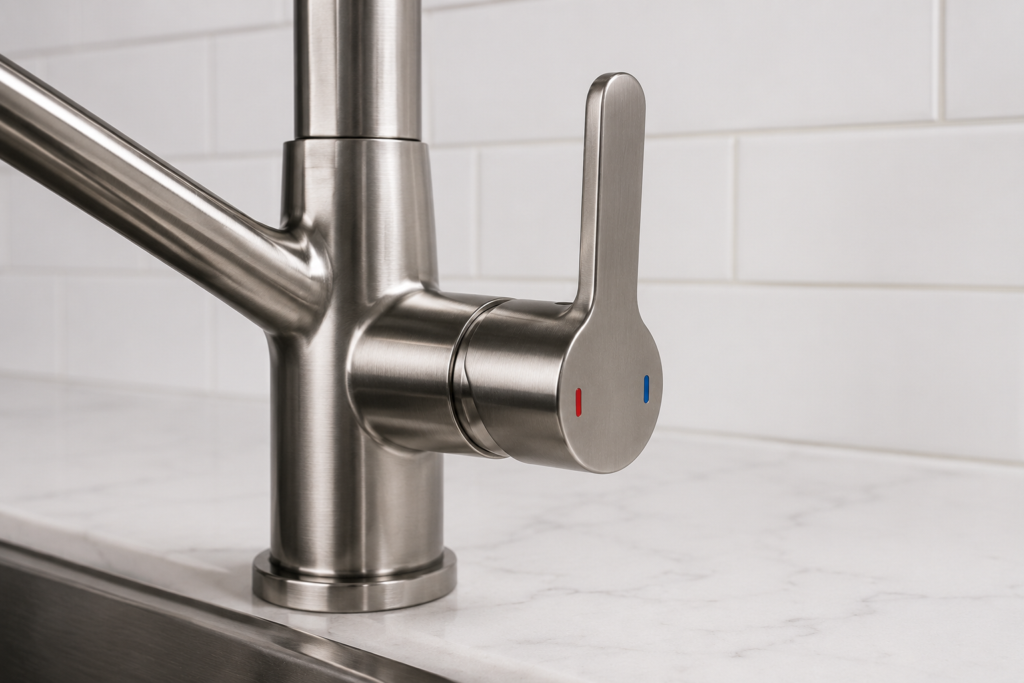
Handwashing sinks and three-compartment sinks play a vital role in food safety, yet the handles used to operate them are touched repeatedly with dirty hands before washing begins.
Without regular sanitizing, faucet handles can become a source of cross-contamination. Cleaning these surfaces should be part of every routine kitchen sanitation schedule.
Touchscreens, POS Systems, and Kitchen Displays
Modern restaurants rely on digital ordering systems, kitchen display screens, and point-of-sale terminals throughout the day.
These devices are touched constantly by multiple employees but are sometimes excluded from regular cleaning because of concerns about damaging electronics.
Following the manufacturer’s cleaning recommendations while using appropriate sanitizing products can help keep these frequently used surfaces cleaner.
Equipment Control Knobs and Buttons
Ovens, fryers, mixers, slicers, microwaves, and other kitchen equipment all have buttons, switches, and control panels that are handled throughout every shift.
Even if the equipment itself is cleaned, these smaller contact points can easily be missed. Regular sanitizing helps reduce contamination between employees and workstations.
Shelving and Storage Bin Handles
Dry storage shelves, ingredient containers, and storage bins are opened repeatedly during food preparation.
Employees often focus on the ingredients inside while overlooking the handles used to access them. Adding these touchpoints to daily cleaning routines improves overall kitchen sanitation.
Trash Can Lids
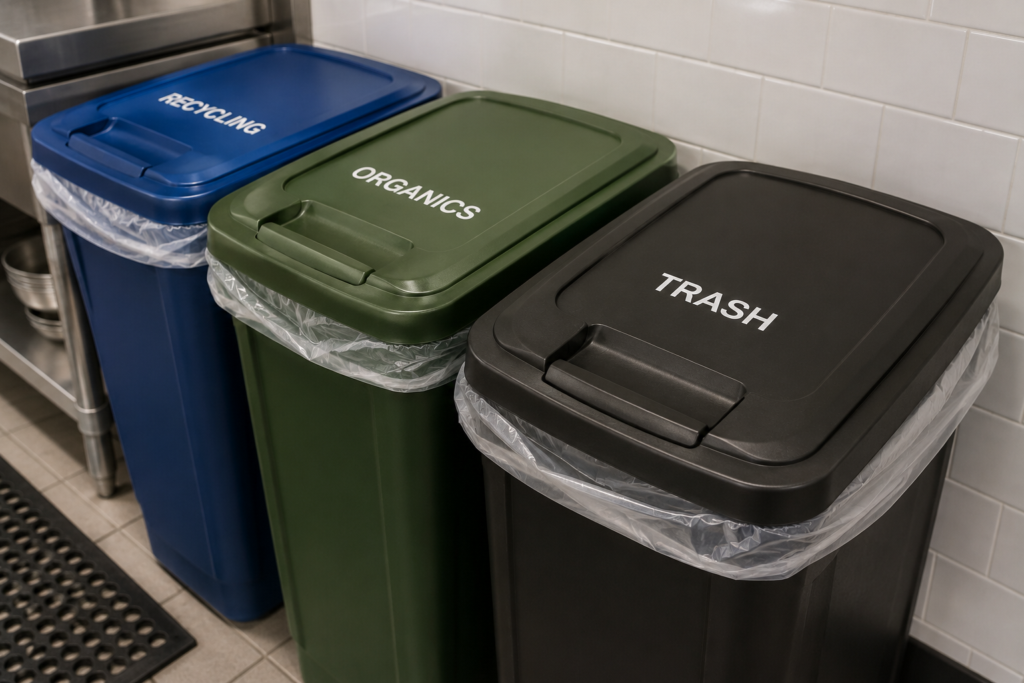
Trash cans collect waste throughout the day, making their lids one of the highest-risk surfaces in a commercial kitchen.
Opening and closing lids with gloved or bare hands can transfer contaminants back into food preparation areas if they are not cleaned regularly.
Frequent sanitizing helps minimize this risk.
Ice Scoop Handles
Ice is considered food, but the scoop used to serve it is sometimes forgotten during cleaning routines.
Only the handle should be touched during use, and both the scoop and its storage container should be cleaned and sanitized according to the restaurant’s procedures.
Keeping ice-handling equipment clean helps protect beverages from contamination.
Cleaning Tools Themselves
Mops, buckets, brushes, wiping cloths, and reusable sponges are essential for cleaning, but they also require regular cleaning and sanitizing.
Using dirty cleaning tools can spread bacteria instead of removing it. Replacing sanitizer solutions regularly and maintaining clean equipment helps ensure that cleaning efforts remain effective.
Build Cleaning Checklists Around High-Touch Surfaces
Many of the most frequently missed surfaces share one thing in common: they’re touched constantly but don’t always appear dirty.
Creating detailed cleaning checklists that include high-touch areas helps ensure nothing is overlooked. Regular staff training and consistent sanitation procedures also make it easier to maintain the same high standard every day.
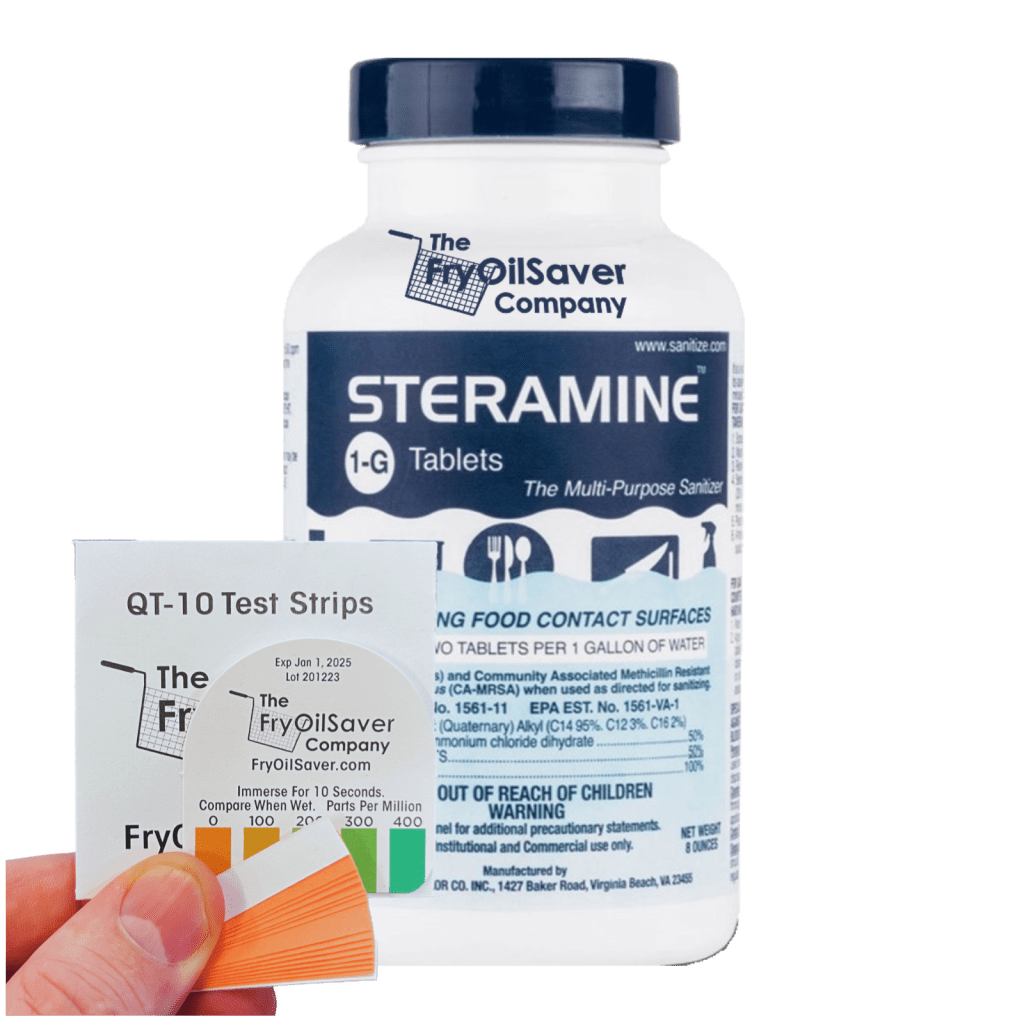
Steramine Quaternary Sanitizing Tablets – 1x 150 Count Bottle with 15x QT-10 Strips
Sanitize food contact surfaces and kill infectious bacteria and germs!
FREE SHIPPING IN THE USA Used by restaurants and bars worldwide! Steramine Sanitizer Tablets is the first sanitizing product successfully tested, evaluated, accepted and registered by the EPA as an effective sanitizer to kill exposed HIV-1 (AIDS Virus) and other infectious bacteria. Highly concentrated, 1 bottle makes 150 gallons of cleaning solution and therefore also makes a great multi-purpose and economical household sanitizer.
The Most Frequently Missed Surfaces During Restaurant Cleaning
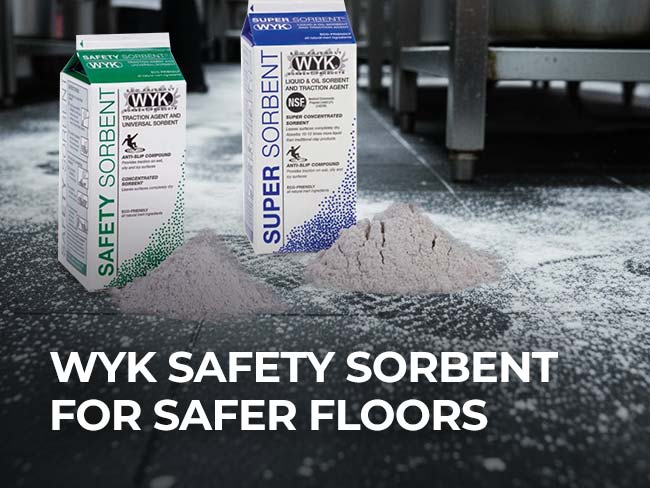
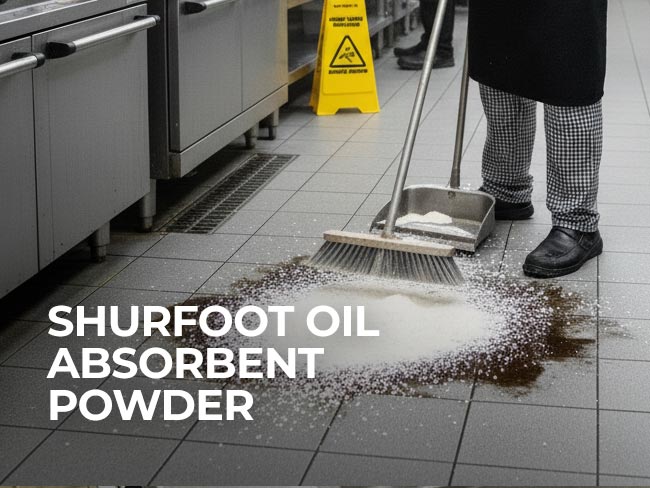
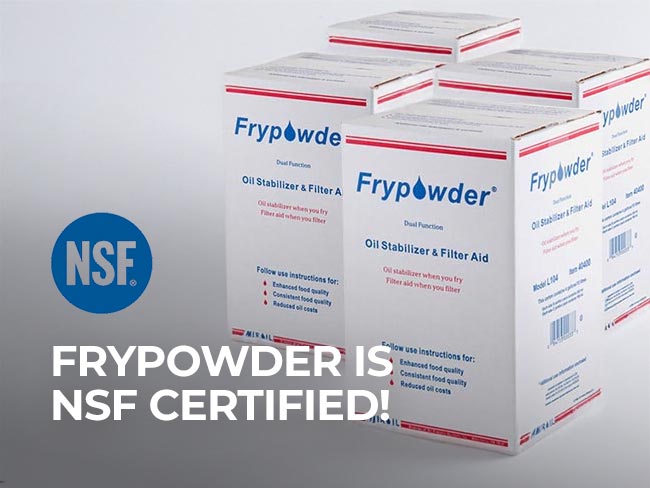
Commercial kitchens face different cleaning challenges throughout every shift. Grease builds up on cooking equipment, food particles affect fryer oil, spills can create slippery floors, and high-touch surfaces require regular attention.
Having the right foodservice cleaning products on hand gives kitchen teams the tools they need to keep up with these everyday challenges.
From sanitizer tablets and test strips to grill cleaners, absorbents, and scraping tools, building a practical cleaning supply system can help support a cleaner, safer, and more efficient commercial kitchen.
What cleaning product does your kitchen rely on most?